Wondering how to price your Randolph home without leaving money on the table or scaring buyers away? You are not alone. In a market where homes can move quickly and buyers are watching monthly costs closely, the right price is not a guess. It is a strategy. This guide will show you how to think about pricing in Randolph, what local numbers really mean, and how smart preparation can support a stronger launch. Let’s dive in.
Randolph Pricing Starts Local
If you are selling in Randolph, your price should start with Randolph data, not broad national headlines or a countywide average alone. As of spring 2026, Randolph sits in the upper-middle tier of Morris County pricing, with market snapshots showing a typical home value around $800,804 and a median sale price near $800,000.
That does not mean every home should be priced at $800,000. Randolph includes different pockets, lot sizes, home styles, and condition levels, and those differences matter. Even within Morris County, prices vary widely, from communities with median prices in the $600,000 range to others well above $2 million.
That is why accurate pricing begins with your home’s specific competitive set. The goal is to compare your property to similar homes that buyers would realistically consider alongside yours.
What the Current Market Means for Sellers
Randolph is still showing signs of a seller-favorable market, but that does not give you a free pass to overprice. Recent market data shows about 20 median days on market in Randolph, with homes selling at about 103% of list price on average. Morris County also shows a strong backdrop, including 1.4 months of supply and about 103.4% of list price received for single-family homes year to date.
Those numbers tell an important story. Well-priced homes are getting attention and strong offers, but they are not doing that by accident. In a market like this, buyers tend to move quickly on homes that feel aligned with value.
Affordability is still a real factor. Freddie Mac reported the 30-year fixed mortgage rate at 6.37% as of May 7, 2026, which means even a small pricing mistake can change a buyer’s monthly payment enough to reduce interest or competition.
Build Your Price From Comparable Sales
The best list price is usually built from recent comparable sales, often called comps. These are homes that are similar to yours in location, size, age, layout, condition, and overall utility.
In Randolph, the first place to look is your immediate area. A colonial in one section of town may not compete directly with a ranch in another section, even if the square footage looks similar on paper.
A strong pricing analysis should usually look at:
- Recent closed sales, because they show what buyers actually paid
- Pending sales, because they show where current buyer demand may be landing
- Active listings, because they show your competition right now
- Expired or withdrawn listings, because they can reveal where pricing may have missed the mark
If there are not enough recent sales for a very unique home, the search may expand to nearby Morris County towns with similar buyer pools. The key is making careful adjustments for differences like living area, lot size, age, style, bedroom count, bathroom count, garage spaces, and condition.
Why Online Estimates Are Only a Starting Point
It is tempting to pick a number based on a portal estimate and call it a day. But online estimates use different methods, and that is one reason why market numbers can vary from site to site.
For example, Zillow’s value index is built from monthly changes in property-level estimates, while Realtor.com relies on MLS-backed listing and sales snapshots. Both can be useful for context, but neither should be your final pricing strategy.
If you rely on one estimate alone, you may miss what matters most: how buyers in Randolph are reacting to homes like yours right now. Sold comps and current competition give you a much clearer picture.
Pricing High Can Backfire
One of the most common seller myths is that you should list high and negotiate later. It sounds safe, but in many cases it works against you.
In Randolph, where homes are already averaging around 103% of list price, buyers are clearly willing to compete when a home feels correctly positioned. An inflated opening price can reduce early interest, lead to fewer showings, and make your home look stale if it sits.
The first days on market often bring the most attention. If your home enters the market above what buyers see as reasonable, you may miss the strongest window of momentum.
A better strategy is to launch with a price that reflects the market, the competition, and your goals. That can create urgency and help attract serious buyers faster.
Condition and Presentation Affect Price
Pricing is not just about square footage and recent sales. It is also about how your home shows compared with other options buyers are seeing.
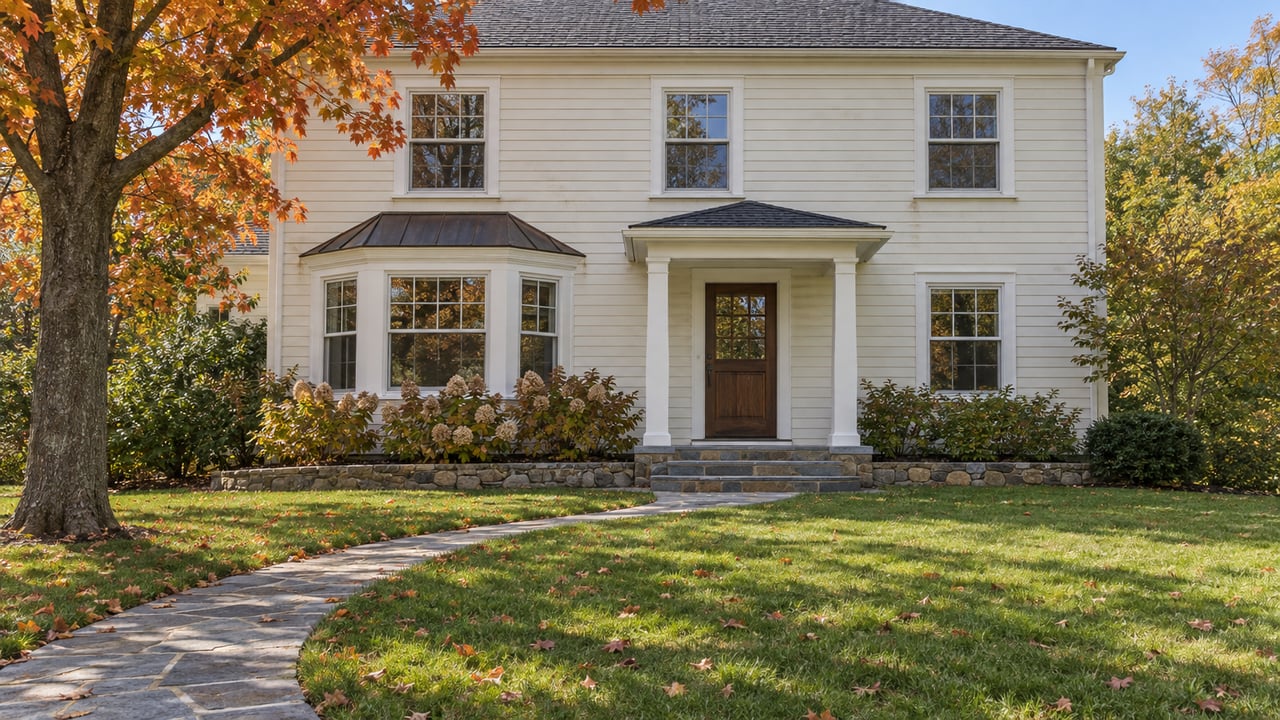
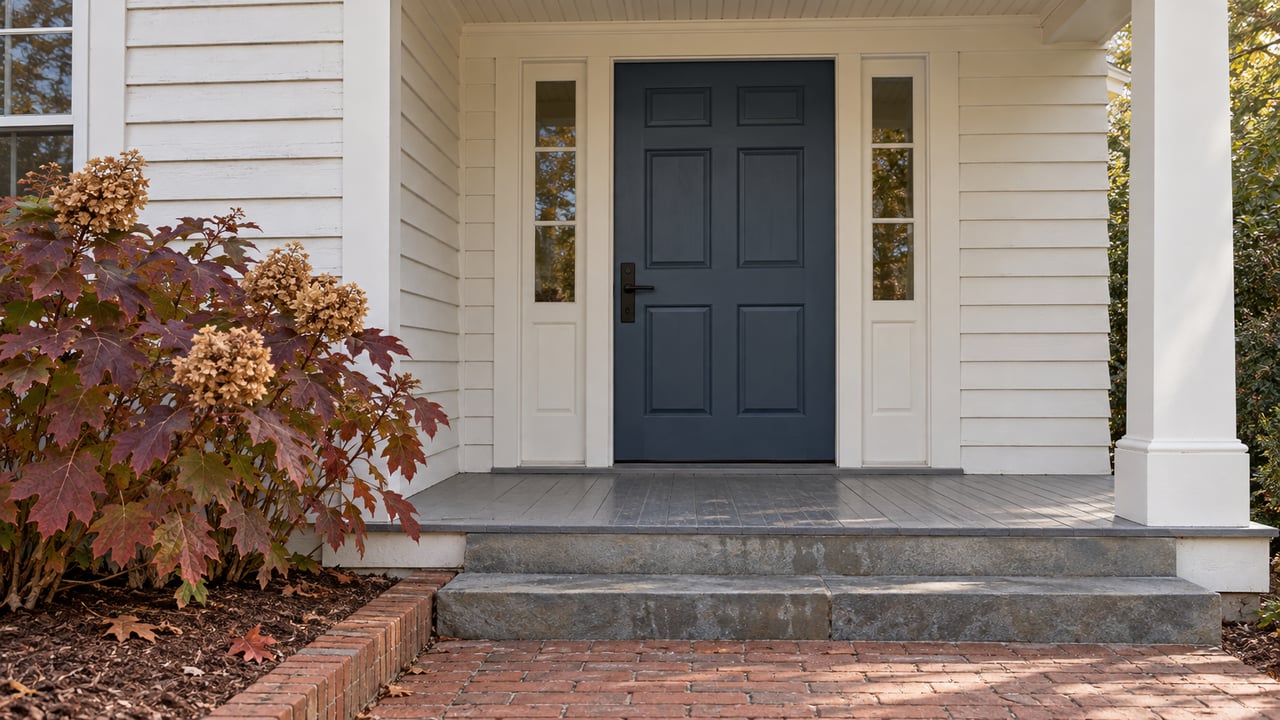
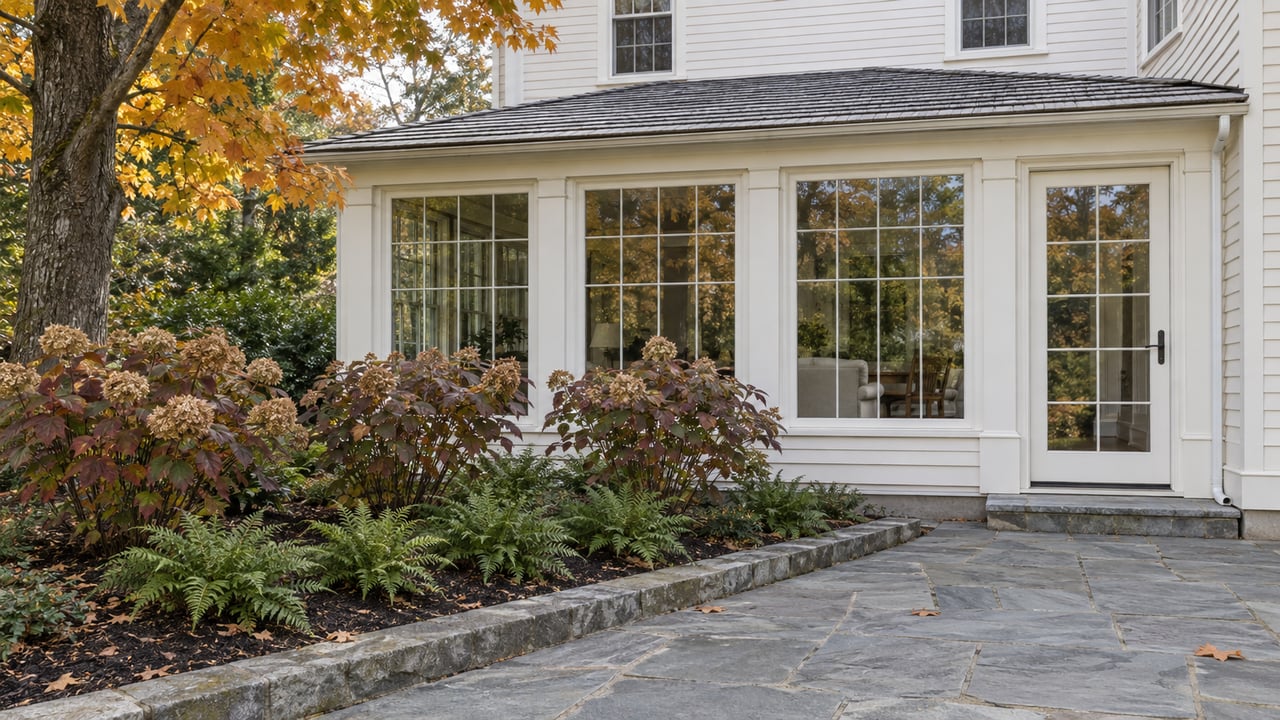
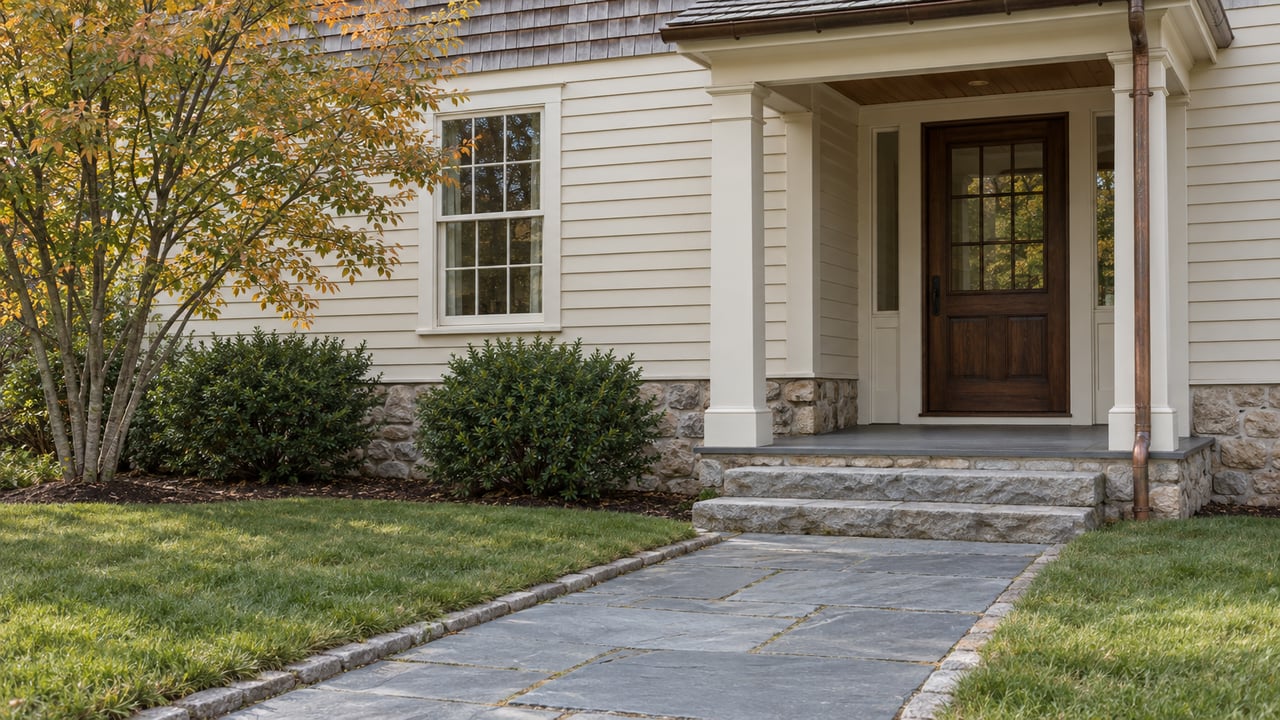
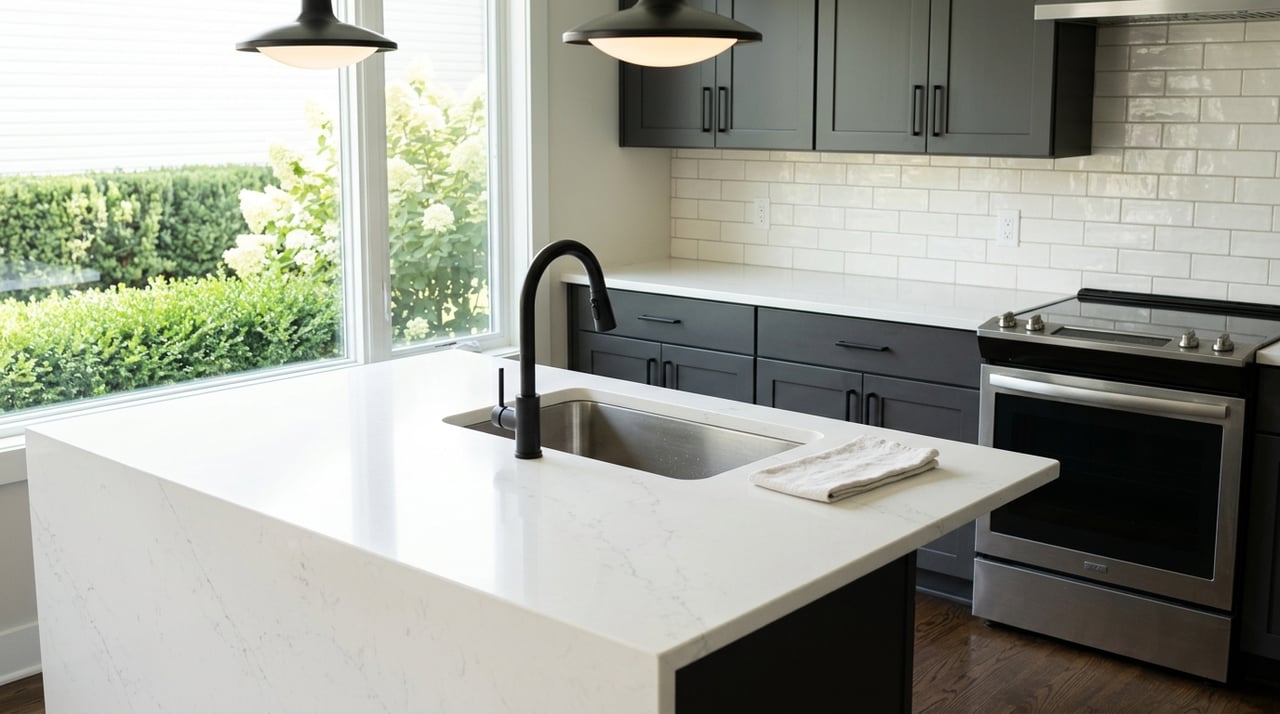
Cleanliness, decluttering, light staging, curb appeal, and professional photography can all improve how buyers respond to your home. Those steps do not change your floor plan, but they can change the perceived value and marketability of the property.
That matters in Randolph, where buyers may be comparing your home with polished listings nearby. If your presentation feels sharper, more inviting, and more move-in ready, your pricing has stronger support.
For many sellers, the smartest updates are not major remodels. They are targeted improvements that help the home show well, such as fresh paint, reduced visual clutter, exterior touch-ups, and thoughtful styling.
Renovations Do Not Always Equal Dollar-for-Dollar Return
Another pricing mistake is assuming your renovation cost automatically sets your asking price. The market does not usually work that way.
Value depends on how buyers react to the home’s features and condition compared with other available properties. A major project may improve appeal, but it does not guarantee a matching increase in price.
Before you invest heavily before listing, it helps to weigh the likely payoff. In some cases, modest preparation and strong presentation can produce a better return than an expensive upgrade that buyers do not fully value.
Property Taxes Matter to Buyers
Buyers do not shop based on purchase price alone. They also look at total monthly cost, and that includes property taxes.
Randolph’s 2026 budget projects an estimated total tax rate of 3.007 per $100 of assessed value, with an estimated total tax bill of $14,875.70 on the average residential assessment of $494,696. That means two homes with similar sale prices can still feel very different to buyers depending on taxes and carrying costs.
It is also important not to confuse tax assessment with market value. In New Jersey, property tax is based on assessed value and the local tax rate. Your assessment is not the same thing as your ideal list price.
If you are considering improvements before listing, keep in mind that Randolph notes that new construction, structural additions, and renovations can create an added assessment. That does not mean you should avoid updates, but it does mean each project should be weighed carefully.
Match the Price to Your Goals
The right list price is not only about value. It is also about your timeline and priorities.
If your goal is speed, a more competitive list price may make sense. If your home has standout features and limited direct competition, there may be room for a more assertive launch, but it still needs to be supported by comps and buyer demand.
A pricing conversation should include questions like:
- How quickly do you want to move?
- How much prep are you willing to do before listing?
- How does your home compare with current active listings?
- Are you trying to maximize price, speed, or a balance of both?
The best pricing strategy fits both the market and your real-life plans.
A Smart Randolph Pricing Strategy
If you want a practical way to think about pricing, focus on four steps.
Start With Recent Sales
Look first at the most recent similar closed sales in your part of Randolph. These are usually the strongest foundation for value.
Study Today’s Competition
Review active and pending listings that buyers are likely to compare with your home. This shows what your price must compete against right now.
Adjust for Features and Condition
Make realistic adjustments for lot size, layout, updates, age, amenities, garage count, and overall presentation. Small differences can have a meaningful impact.
Prepare Before You Launch
Use staging guidance, decluttering, curb appeal work, and professional visuals to help your home justify its price in the eyes of buyers. Presentation and pricing work best together, not separately.
Why Local Guidance Matters
In a place like Randolph, pricing is rarely about plugging your address into a formula. It takes local knowledge, careful comparison, and an understanding of how buyers are responding in the current moment.
That is especially true in a market where homes can sell fast, inventory remains relatively tight, and mortgage rates make buyers more payment-sensitive. The right price can create momentum. The wrong one can slow everything down.
If you are thinking about selling, a thoughtful pricing plan can help you enter the market with more confidence and a clearer path forward. For personalized guidance, staging insight, and a pricing strategy built around your home and your goals, connect with Kimberly Brechka.
FAQs
How should I price my Randolph NJ home in today’s market?
- The best approach is to use recent comparable sales in Randolph, review current active and pending competition, and adjust for your home’s condition, features, and location within town.
Is Randolph NJ a seller’s market right now?
- Current data points to a seller-favorable market, with about 20 median days on market in Randolph, homes selling at about 103% of list price on average, and low supply in Morris County.
Should I use my tax assessment to price my Randolph home?
- No. In New Jersey, tax assessment is used for property tax purposes and is not the same as market-based list pricing.
Do online home value estimates work for Randolph NJ pricing?
- They can provide a starting point, but they should not be your final number because different sites use different methods and may not reflect your home’s exact condition, competition, or micro-location.
Should I price my Randolph home high and negotiate down?
- Usually, no. In a market where well-priced homes are already attracting strong offers, overpricing can reduce early interest and hurt momentum.
Do staging and photography affect Randolph home pricing?
- Yes. Presentation can improve buyer response and help support your asking price by making the home feel more marketable and competitive.
How do property taxes affect Randolph NJ home buyers?
- Buyers often focus on total monthly cost, so property taxes can influence affordability and how your home compares with similar options.
Should I renovate before selling my Randolph home?
- Not always. Some smaller improvements and presentation updates may offer a better payoff than major renovations, which do not automatically increase value dollar for dollar.