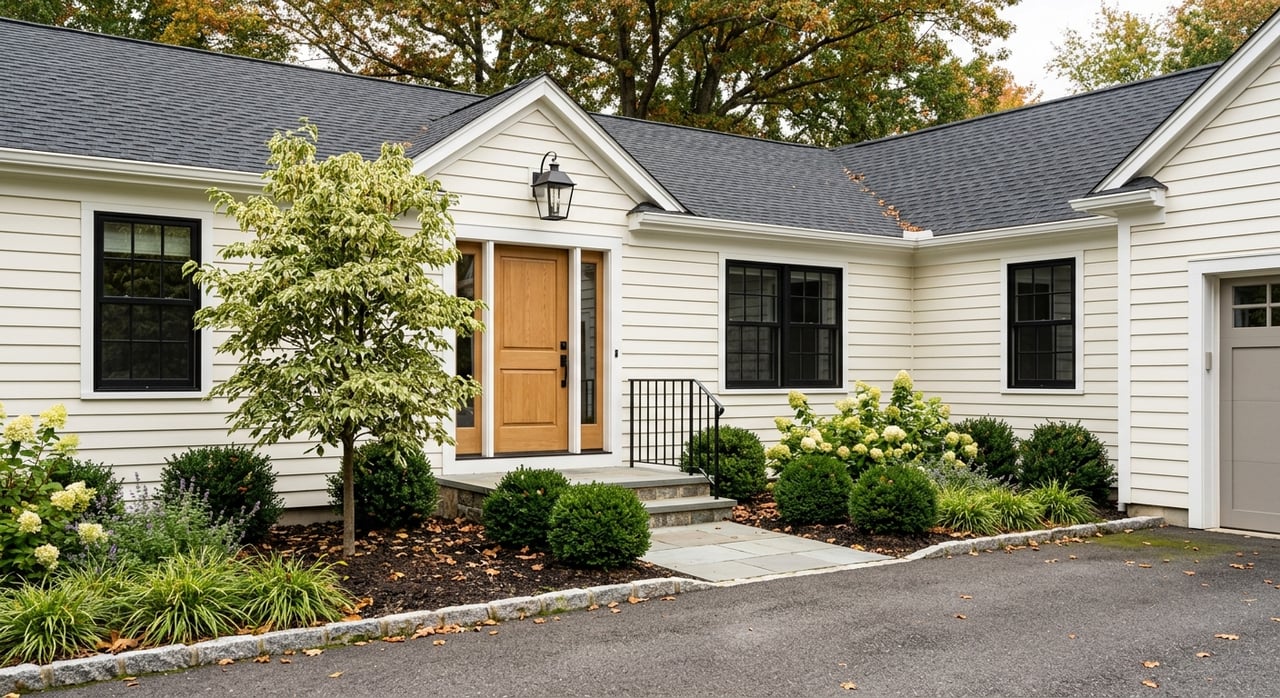
If you need to buy and sell at the same time in Parsippany, you are not alone. In a township with many repeat homeowners, a mix of detached homes, townhomes, and condos, and strong commuter connections, this kind of move is often less about starting over and more about making your next chapter fit your life better. The good news is that with the right timing, preparation, and local guidance, you can reduce stress and make smarter decisions on both sides of the transaction. Let’s dive in.
Why This Move Is Common in Parsippany
Parsippany-Troy Hills is a mature, mostly owner-occupied market. The township had an estimated 56,729 residents in 2024, with about 59.8% of occupied housing owner-occupied, and the median value of owner-occupied homes was about $520,200. That kind of housing profile often points to homeowners moving within town or nearby Morris County communities rather than entering the market for the first time.
Parsippany also offers a wide range of housing types. The township master plan identifies older residential areas like Lake Parsippany, along with low-density detached-home neighborhoods and townhouse and condominium developments. That variety creates natural move patterns for homeowners who want more space, less maintenance, or a different location without leaving the area.
Location is another big reason people choose to stay local. Parsippany has more than 186 miles of roadways maintained by the township, access to major routes like 10, 46, 53, 80, 280, and 287, a free weekday resident transit bus, and nearby rail access from Morris Plains Station on NJ Transit’s Morris & Essex line. If your work, routine, or family life depends on convenience, moving within Parsippany can make a lot of sense.
Start With the Right Strategy
When you need to buy and sell at the same time, the first decision is sequencing. There is no one-size-fits-all answer, but there are three common paths, and each one comes with tradeoffs.
Sell First for More Certainty
For many homeowners, selling first is the safest option. Consumer guidance says that if you want to move, you normally try to sell your current home before buying another one. This approach helps you avoid the risk of carrying two mortgages at once and gives you a clearer picture of how much equity you can use for your next purchase.
If you are watching your budget closely, this route often provides the most control. You know your sale proceeds, you can plan your down payment more accurately, and you are less likely to feel rushed into a purchase decision.
Buy First for More Flexibility
Buying first can work, but it usually requires stronger financial capacity. Lenders review income, assets, employment, savings, debts, and credit, and temporary bridge financing may be used in some situations when a homeowner plans to sell the current property within 12 months.
This path can be helpful if you need to lock in your next home before giving up your current one. It may also appeal to buyers who have substantial savings or significant equity. Still, it requires careful planning because upfront cash needs can be high.
Coordinate Closings Close Together
A nearly simultaneous close can be the best middle ground, but it takes strong coordination. This strategy can work especially well when you are moving within Parsippany or to a nearby Morris County town, because the search area is familiar and the move itself may be simpler logistically.
The challenge is that both transactions have moving parts. Inspection, appraisal, title, and financing timelines need to stay aligned. A delay on one side can affect the other, so clear communication matters from the beginning.
Know Where Your Money Is Coming From
One of the biggest challenges in a simultaneous move is cash flow. Many mortgage options require at least 3% down, and closing costs often run about 2% to 5% of the purchase price. For many homeowners, the equity from the current sale plays a major role in funding the next home.
That is why your lender should be part of the conversation early. If you are hoping to buy before your sale closes, your lender will want to understand your expected sale proceeds, your down payment plan, and the timing of both transactions. The earlier you map this out, the fewer surprises you are likely to face later.
Get Your Current Home Market-Ready Early
If you are trying to buy and sell at the same time, your current home should be ready for the market before your home search becomes urgent. Consumer guidance generally points to selling first, and Fannie Mae notes that the longer a home stays on the market, the harder it can become to sell. That makes early preparation one of the smartest steps you can take.
Start with the basics:
- Decluttering
- Minor repairs
- Cosmetic touch-ups
- Staging preparation
- Professional photography planning
For sellers in Parsippany, this matters even more because presentation can influence momentum. A polished launch helps attract early attention and gives you a better chance of moving on your preferred timeline.
Check Township Requirements Before Improvements
If you are thinking about pre-listing upgrades, check local permit rules before starting work. Parsippany’s zoning division notes that permits are required for many common projects, including additions, decks, detached garages, driveway expansions, solar panels, pools, fences, retaining walls, and basement renovations.
That does not mean you should avoid improvements. It simply means you should confirm what is required before investing time and money. This can help you avoid delays if you are trying to list on a tight schedule.
Keep Inspections and Contingencies Front and Center
When two transactions depend on each other, contingencies matter. Consumer guidance says buyers can make offers contingent on financing and a satisfactory inspection. If major issues appear during inspection or appraisal, the contract may allow renegotiation or cancellation depending on the terms.
That flexibility can protect you, especially if your purchase depends on the proceeds from your sale. It is also why timelines should include breathing room whenever possible. Last-minute surprises are stressful in any transaction, but they are even harder when you are trying to coordinate both sides at once.
Understand Home-Sale Contingencies
A home-sale contingency can help if you need your current home to sell before you can complete your next purchase. But from a seller’s perspective, this type of contingency adds risk because there is no guarantee the buyer’s current home will sell.
In a competitive setting, that can make your offer less appealing. In a more cautious or equity-limited situation, though, it may still be the most practical option. The key is to understand how your financing position affects your negotiating strength.
Plan for Parsippany-Specific Questions
Local details can shape your timeline and your decision-making. In Parsippany, housing choices often connect to lifestyle, maintenance level, and commute convenience more than dramatic geographic change.
Here are a few realistic local examples:
Moving Within Town for a Better Fit
You might be selling a detached home in a low-density neighborhood and buying another single-family home elsewhere in town. Or you may be leaving an older neighborhood like Lake Parsippany for a lower-maintenance townhouse or condo. Parsippany’s mix of home types makes these transitions common.
Staying Close to Commute Routes
If access to highways or transit matters, timing becomes even more important. With major roads running through town, a free weekday resident bus system, and rail access nearby in Morris Plains, many buyers want to keep commute patterns stable while changing homes.
Reviewing Flood and Drainage History
Homes near lake neighborhoods may bring extra questions about water, drainage, or flood exposure. Consumer guidance advises buyers to ask whether flood insurance is required and to consider flood and disaster history before purchasing. If you are selling, it is wise to review these details early so you can be ready for buyer questions.
Build a Closing Timeline With Flexibility
In New Jersey, details at closing matter. The New Jersey Division of Taxation says the county clerk will not accept a deed unless the applicable GIT/REP form is properly completed and signed. That means your paperwork needs to stay aligned with the closing date and handled carefully by the professionals involved.
The New Jersey Real Estate Commission also regulates brokerage relationships, including seller’s agents, buyer’s agents, disclosed dual agents, and transaction brokers. For you, the practical takeaway is simple: the more coordinated your agent, lender, and closing professionals are, the smoother your move is likely to be.
A strong timeline often includes:
- Early lender review
- Pre-listing home preparation
- Clear pricing and launch strategy
- Purchase criteria set before shopping
- Contingency planning for inspections and appraisals
- Buffer time around closing dates
Why Local Guidance Matters
Buying and selling at the same time is part logistics and part strategy. In Parsippany, it also involves understanding how neighborhood fit, housing style, commute access, and timing all connect.
This is where a high-touch, local approach can make a real difference. When your listing is prepared thoughtfully, marketed with strong presentation, and timed to support your next move, you give yourself more options. And when your home search is guided by a clear plan instead of pressure, you are more likely to make a decision you feel good about long after closing.
If you are weighing a move in Parsippany, the smartest first step is usually a plan, not a guess. Kimberly Brechka can help you map out the timing, prep your home for the market, and guide both sides of the process with the responsiveness and local insight this kind of move requires.
FAQs
How do you buy and sell at the same time in Parsippany?
- Most homeowners choose one of three paths: sell first, buy first, or coordinate both closings close together. The best option depends on your equity, cash reserves, financing, and how much timing flexibility you have.
Is it better to sell first or buy first in Parsippany?
- Selling first is often the safer choice because it helps you avoid carrying two mortgages and gives you a clear understanding of your available equity before you buy.
What costs should Parsippany homeowners expect when buying and selling together?
- Many mortgage options require at least 3% down, and closing costs typically run about 2% to 5% of the purchase price. That is why sale proceeds often play an important role in funding the next purchase.
Should you prepare your Parsippany home before looking for your next one?
- Yes. Getting your home market-ready early can help it sell faster and reduce pressure when you start shopping for your next property.
Do home improvements in Parsippany require permits before listing?
- Many common projects do require permits, including additions, decks, detached garages, driveway expansions, solar panels, pools, fences, retaining walls, and basement renovations. It is smart to check township requirements before starting work.
What should buyers ask about lake-area homes in Parsippany?
- Buyers should ask about flood insurance requirements, as well as flood, drainage, and disaster history, especially when looking at homes near lake neighborhoods.