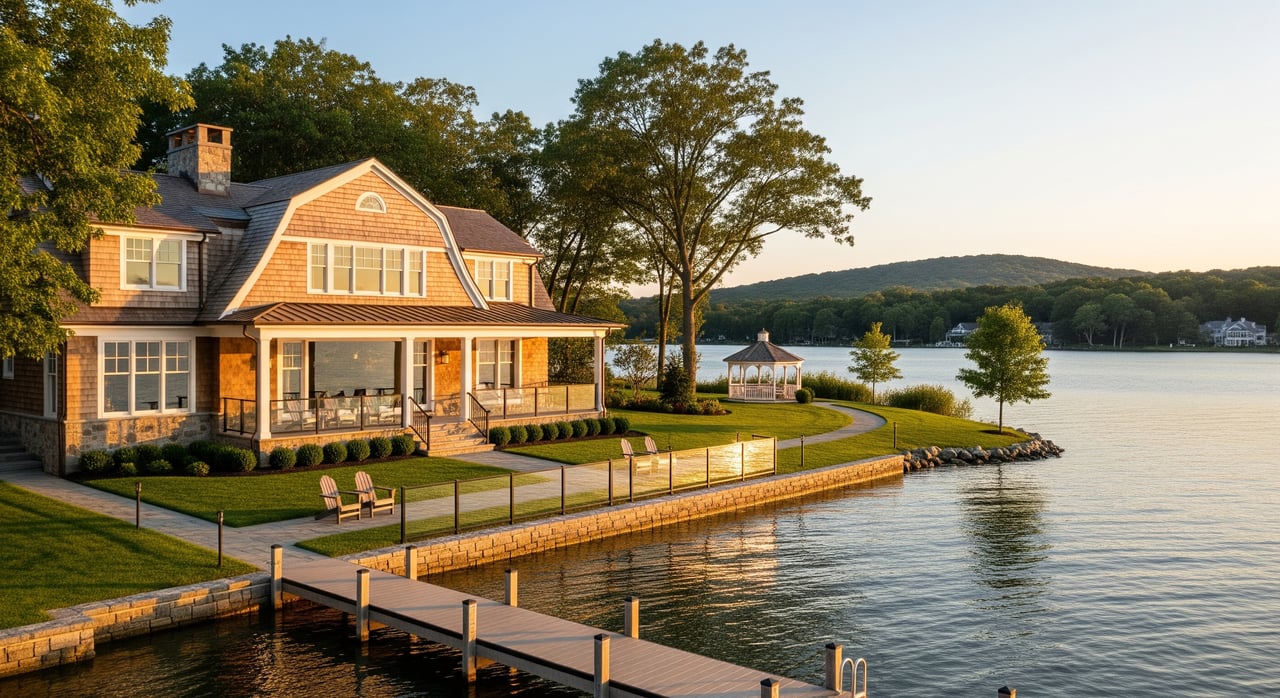
Thinking about a lake lifestyle in Rockaway but not sure how a traditional HOA compares to a lake association? You are not alone. The terms sound similar, yet they shape your day-to-day life, budget, and responsibilities in very different ways. In this guide, you will learn the key differences, what questions to ask, and how to plan your budget so you can buy with confidence. Let’s dive in.
HOA vs lake association basics
An HOA is created to manage common areas and enforce community rules. It collects dues for maintenance, amenities, and administration. A lake association focuses on lake access and care, including beaches, docks, boating rules, and water quality.
In Rockaway, some communities have both, while others operate with a single entity that covers everything. Always confirm whether the home you want is subject to an HOA, a lake association, or both.
Governance and membership
- HOA: A board elected by owners manages budgets, common areas, and rules under recorded covenants and bylaws. Membership is usually automatic for all owners.
- Lake association: A member-led board and committees often emphasize lake management, safety, and recreation. Membership is tied to property ownership within the lake community. Some areas include non-lakefront homes, depending on the governing documents.
Amenities and services
- HOA amenities: Common grounds, playgrounds, community centers, and sometimes trash and snow services. The focus is community appearance and shared infrastructure.
- Lake association amenities: Lake and beach access, docks or boat slips, boat registration, lifeguards, designated swim areas, events, and lakefront common spaces. Specialized services can include water-quality testing, weed and algae control, dredging, shoreline protection, and dam upkeep when applicable.
Fees and assessments
- HOA fees: Regular assessments fund routine maintenance, insurance, and reserves. Special assessments can occur for big repairs.
- Lake association dues: Ongoing dues support beaches, lifeguards, events, and lake care. You may also see separate fees for boat stickers, slip rentals, guest passes, and parking. Large, infrequent special assessments can arise for lake infrastructure, such as dredging or dam repairs. Budget for more variability and the possibility of larger one-time projects.
Rules and lifestyle fit
- HOA rules: Often focus on property appearance and neighborhood standards. You may see architectural guidelines, parking rules, and rental or pet policies.
- Lake association rules: Center on waterfront use and safety, including boat speeds, motor limits, wake zones, dock standards, beach conduct, fishing, and invasive-species prevention. Rules may shift by season and often include clear hours for swimming and shoreline protection.
Enforcement and community culture
Both types can use warnings, fines, and liens to enforce rules. In lake communities, enforcement frequently addresses safety and permits around boats, docks, and beaches. Many lake associations build a strong volunteer culture with committees and events. That can be a great fit if you want community involvement, or a mismatch if you prefer low engagement.
Insurance and environmental factors
HOAs carry property and liability insurance for common areas. You still carry your own homeowner policy. Lake associations often hold specialized liability coverage for beaches, docks, and events, which can mean additional rules and waivers for owners.
If the lake relies on a dam or engineered outlet, there are inspection and maintenance responsibilities. These can involve regulatory oversight and planning for major repairs. Failure to maintain a dam can lead to required remediation that affects owner costs.
Rockaway examples to consider
Rockaway includes well-known lake communities such as White Meadow Lake and Lake Telemark. Each has its own structure, rules, and dues. Expect active recreation, seasonal programming, and clear guidelines for boats, docks, and guest access. Always confirm whether a property is within the association boundary and what privileges come with ownership.
Buyer due diligence checklist
Request these items early, before you waive contingencies:
- Governing documents: CC&Rs or bylaws, rules and regulations, and any architectural guidelines.
- Financials: Current budget, last 2 to 3 years of budgets, recent financial statements, and reserve balances or a reserve study if available.
- Assessments: Current dues, fees for boats or docks, guest passes, and parking. Ask for special assessments from the last 5 to 10 years and anything proposed or pending.
- Collections: Delinquency rate and collection policy.
- Meetings and management: Minutes from board and annual meetings for the last 12 to 24 months, and contact info for the board or management company.
- Insurance and legal: Certificates of insurance and any details of pending or threatened litigation.
- Lake specifics: Water-quality plans and testing results if available, weed control and dredging contracts, dam inspection reports and repair history, and any related regulatory correspondence.
- Use restrictions: Rental policies, guest rules, pet rules, and parking procedures.
- Transfers: Any transfer or initiation fees due at closing, plus key or access device policies.
Red flags to watch
- Low or no reserves, especially if the lake has a dam or major infrastructure.
- Recent or repeated large special assessments.
- Active litigation tied to dam, dredging, or contractor disputes.
- High delinquency on dues.
- Rules that do not fit your plans, such as strict motor limits if you plan to boat, or short-term rental bans if you intend to rent.
- Unclear easements for lake access or dock areas.
- Water-quality advisories without a clear remediation plan.
Budget and lending tips
- Add dues to your monthly affordability and include seasonal or program fees common in lake communities, such as boat stickers, slip rentals, and guest passes.
- Hold a contingency for special assessments tied to lake care, dredging, or dam work.
- Confirm insurance needs, including any endorsements the association requires for waterfront homes.
- Ask your lender how they review associations. Financial health, delinquencies, and litigation can affect lending, especially in condos. For single-family homes, lenders still check documents and assessment history.
- Clarify any required escrow for dues and whether transfer or initiation fees apply at closing.
Questions to ask in Rockaway
- Is lake access private to members, and are there any public access points nearby?
- Does the lake have a dam or engineered outlet, and what do recent inspections show?
- What are the rules for motors, wakes, docking, and off-season storage, including boat stickers, slip fees, and waitlists?
- Are lifeguards or seasonal staff included in dues or billed separately?
- Have there been recent water-quality advisories or dredging projects, and what is the plan for ongoing lake health?
- What is the policy on short-term rentals, and how are guest passes and parking handled during peak season?
Next steps and local info
Authoritative information comes from the association itself, Rockaway Township offices, and county and state agencies. Start with the seller’s disclosure and the resale package, then review governing documents, budgets, minutes, reserve details, and insurance certificates. For lake infrastructure, look for dam inspection records, emergency action plans, and any correspondence that outlines upcoming repairs or compliance requirements.
Final thoughts
Choosing between an HOA and a lake association in Rockaway comes down to lifestyle and budget. If lake access, community events, and boating are priorities, a lake association can be a great fit as long as you plan for variable costs and clear rules. If you prefer a lower-maintenance setting focused on neighborhood standards, a traditional HOA may suit you better. If you want a local, trusted guide to help you compare documents, understand dues and assessments, and find the right fit, connect with Kimberly Brechka.
FAQs
Do Rockaway buyers automatically get lake access with a home purchase?
- Access depends on the association’s governing documents. Some properties have full membership, while others have limited or no direct lake privileges.
Are lake association dues higher than HOA dues in Rockaway?
- They can be, because lake care adds costs like lifeguards, water-quality work, dredging, and dam maintenance. Expect more variability and occasional large projects.
Can a lake association levy a special assessment for dam repairs?
- Yes. When an association maintains a dam or outlet, it can charge special assessments to fund repairs. Review reserves, minutes, and inspection history for clues.
Will lenders finance homes in Rockaway lake communities?
- Generally yes. Lenders review association documents and financial health. Condo approvals can be more complex. Ask your lender early about project requirements.
What lifestyle trade-offs should Rockaway buyers expect in lake communities?
- You gain recreation and social events, but you accept clear rules for boats, docks, guests, and rentals, plus seasonal activity near beaches during summer months.