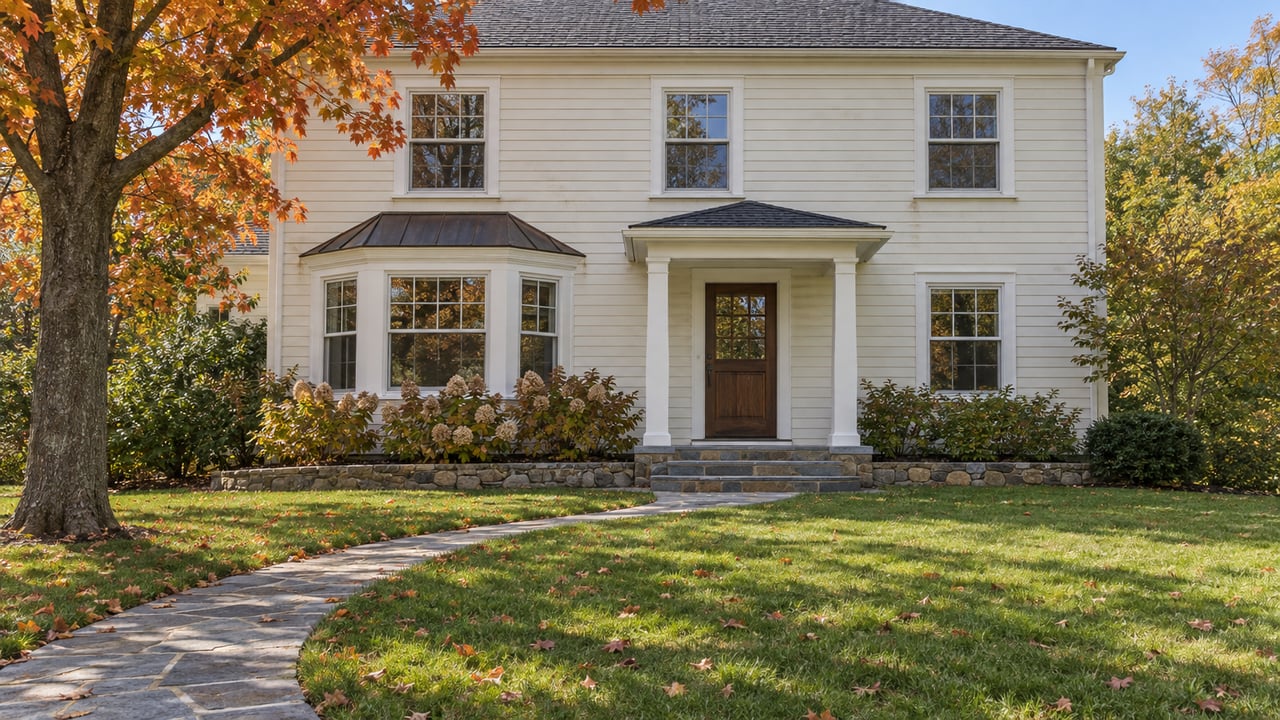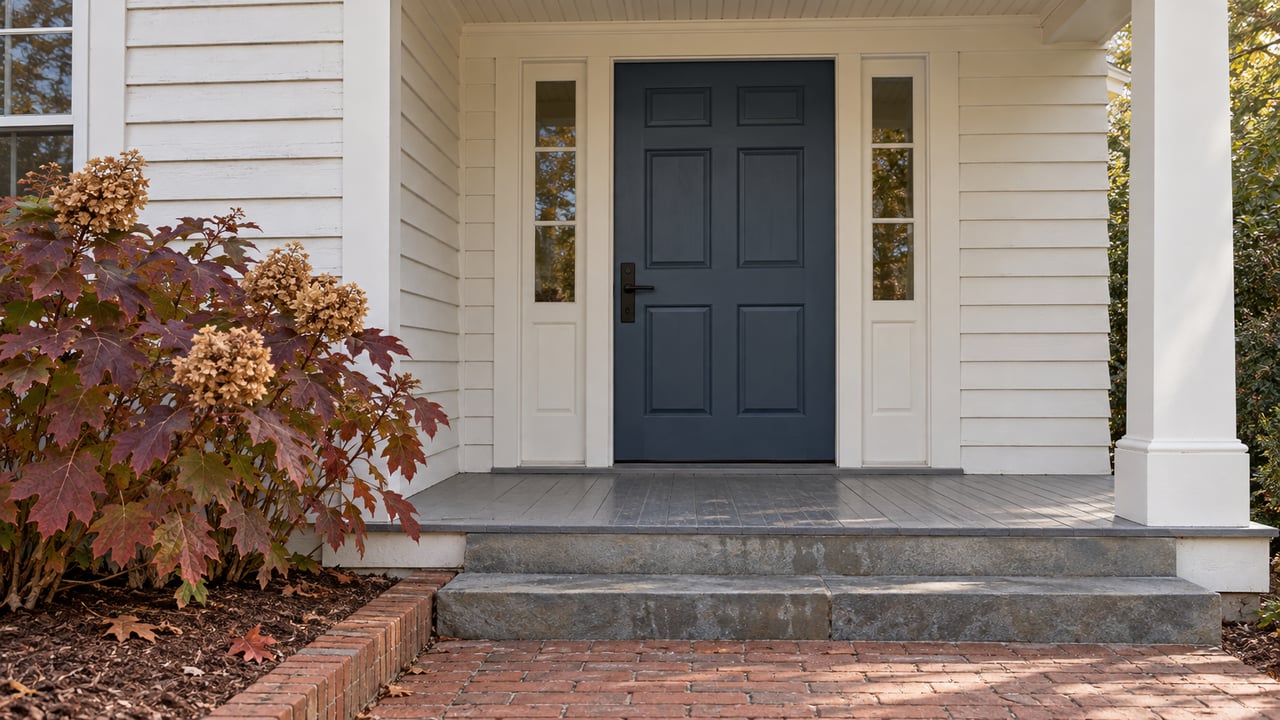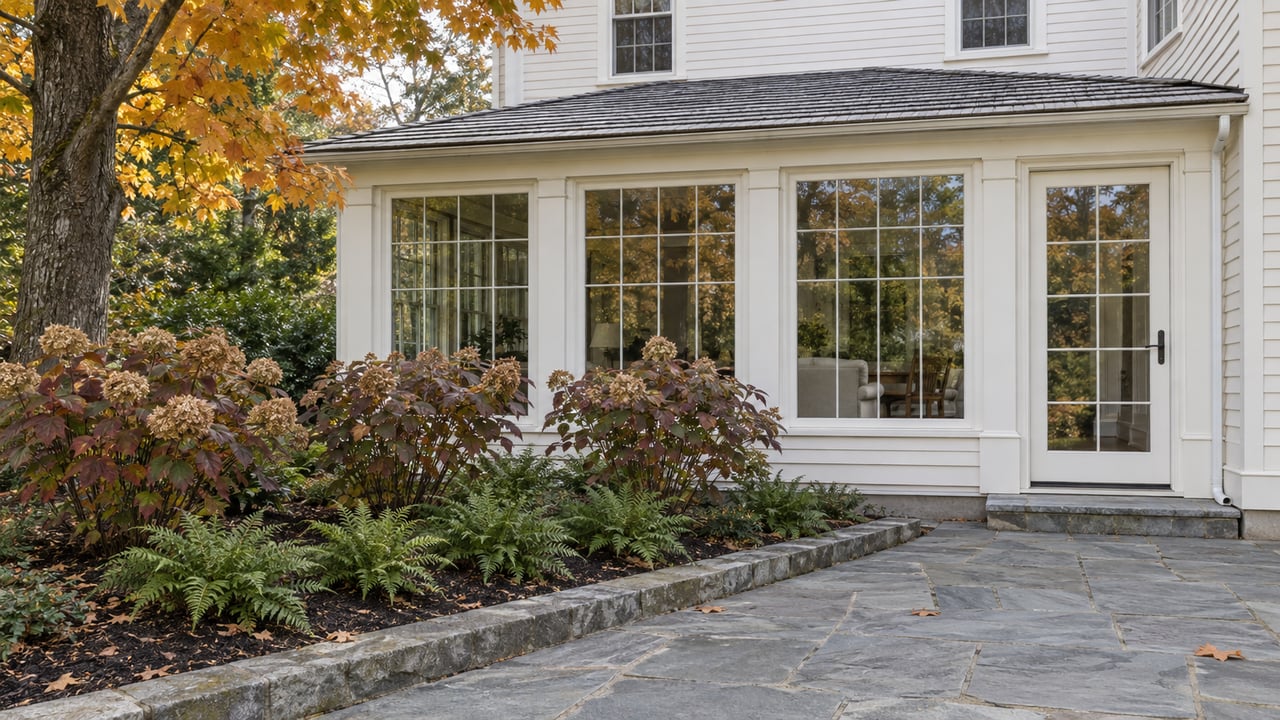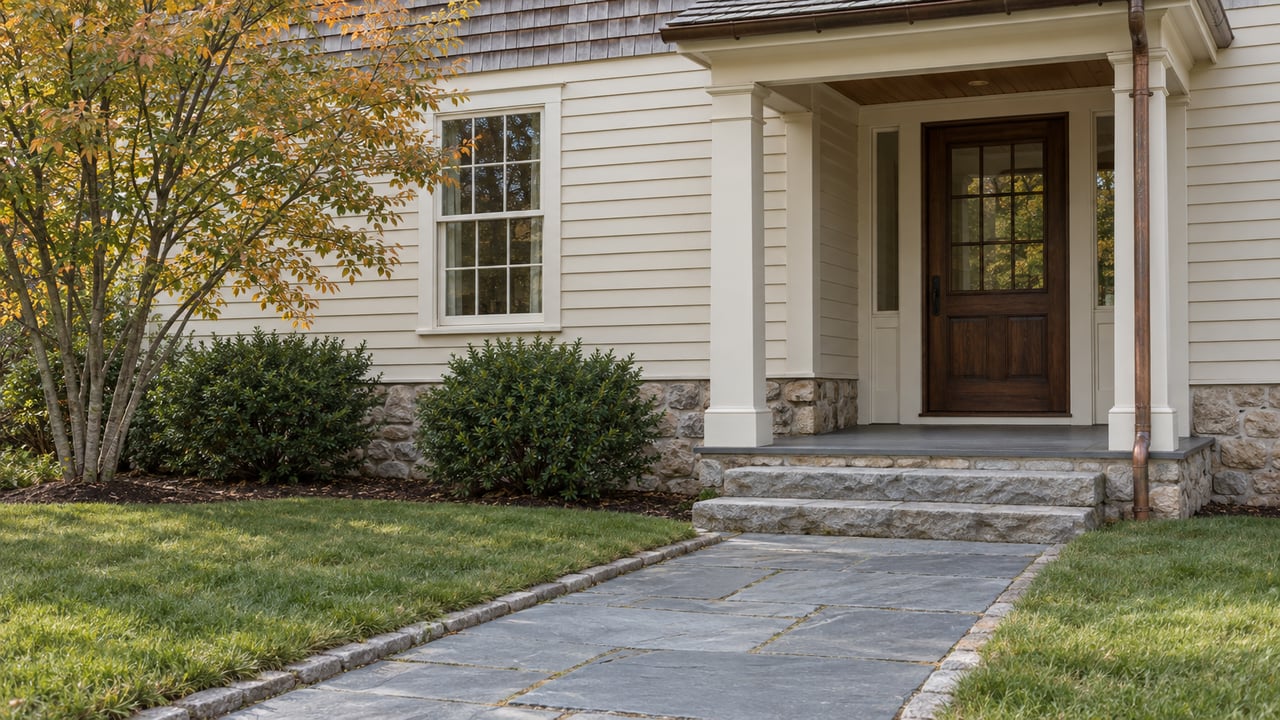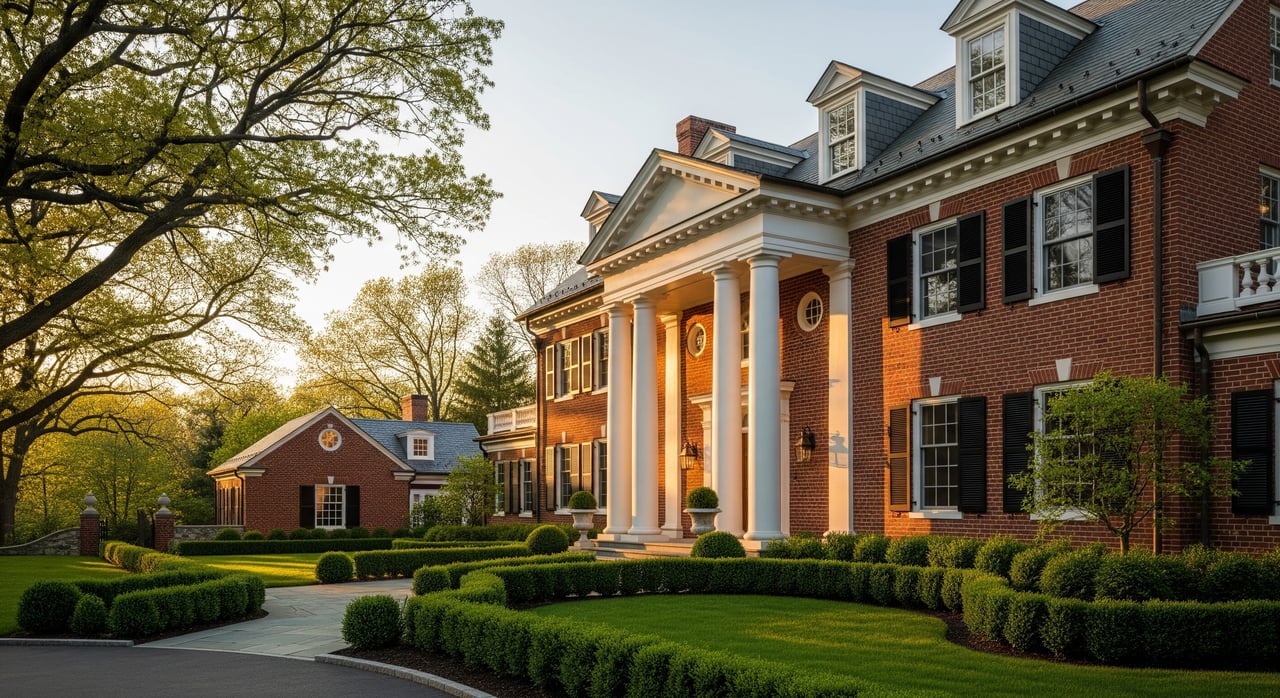
Dreaming about a quaint Colonial or a storybook Tudor tucked along Mendham’s winding roads? You’re not alone. Historic homes in Mendham Borough and Mendham Township offer charm, craftsmanship, and character you won’t find in newer builds. They also come with different inspections, rules, and budget considerations. This guide walks you through what “historic” really means here, how to protect your investment, and how to plan upgrades that respect the home’s soul while fitting your lifestyle. Let’s dive in.
What “historic” means in Mendham
In Mendham, a home can be considered “historic” for a few reasons. It may be an older property with original details from the late 1700s through the early 1900s. It might sit within a locally designated historic district or appear on the National Register of Historic Places or state and county inventories. Homes with original materials like plaster, wood windows, masonry chimneys, and slate or wood roofing often fall into this category.
Here’s the key part for you as a buyer. A National Register listing by itself does not restrict what a private owner can do. Local ordinances are what typically regulate exterior changes visible from the street. In Mendham, you should confirm whether a property is subject to a local historic preservation ordinance and what that means for exterior work.
Before you make an offer, verify the home’s status with Mendham Borough or Mendham Township municipal offices. You can also check with the Morris County cultural or heritage office and the New Jersey Historic Preservation Office. Ask for guidance on district boundaries, design review requirements, and any prior approvals on the property.
Styles and materials you’ll see
Common architectural styles
- Colonial and Federal
- Greek Revival
- Victorian and Queen Anne
- Tudor Revival
- Colonial Revival
- Craftsman and Bungalow
Knowing the style helps you understand typical floor plans and exterior details. It also guides choices when you repair, replace, or add features so that updates feel natural and maintain curb appeal.
Construction and original details
- Wood-frame structures with clapboard or shingle siding
- Stone or brick foundations, often fieldstone or repointed masonry
- Masonry chimneys and fireplaces
- Original wood window sashes with single-pane glass
- Plaster walls over wood lath
- Older roofing materials such as wood shingles or slate on some homes
Expect unique craftsmanship and materials that age differently than modern products. Your inspector and contractors should be comfortable evaluating and working with these systems.
Smart due diligence before you offer
Get ahead of the curve with a few targeted steps:
- Verify whether the property sits in a local historic district and ask for the municipal preservation ordinance and design guidelines if applicable.
- Ask the seller for maintenance records, any prior historic commission approvals, and a list of permits pulled for past work.
- Note the age and condition of major systems: roof, electrical service, plumbing, HVAC, water heater, septic or sewer connection.
- Schedule a thorough walk-through with an agent experienced in older homes. Flag visible issues early and, when possible, get preliminary contractor opinions.
- If the property has a septic system, plan to review pumping history and schedule a septic inspection during your contingency period.
These steps help you price the home correctly and plan your offer strategy with realistic timelines and budgets.
Inspections that matter
Core inspections
- Full home inspection by a licensed inspector with older-home experience
- Structural or engineer review if there are signs of settlement or masonry cracking
- Chimney and fireplace inspection, including flue and liners
- Electrical inspection for knob-and-tube wiring, aluminum branch circuits, grounding, and service size
- Plumbing inspection for galvanized pipes, cast iron drains, or lead solder
- HVAC assessment for capacity, age, and possible fuel conversion
- Moisture and drainage review for grading, gutter and downspout performance, and any past water intrusion
- Pest and termite inspection for wood-destroying organisms
- Lead-based paint assessment for homes built before 1978 and asbestos checks for suspect materials
- Septic inspection, if applicable, to evaluate tank and drain field
- Radon testing, which is recommended in the Northeast
Red flags in older homes
- Foundation settlement or bowing, cracked masonry, or poor drainage
- Roof and flashing failures, especially at additions and complex rooflines
- Outdated or unsafe wiring, including active knob-and-tube
- Latent moisture behind plaster or in basements and crawl spaces
- Energy deficiencies such as missing attic insulation or air leaks
- Deteriorated chimneys or missing liners
- Lead paint and asbestos-containing materials that may require management or abatement
Inspection findings can inform repair requests, credits, or price adjustments. For complex items like structural work, abatement, or septic replacement, you may need specialist bids before closing to make an informed decision.
Permits and approvals
Many New Jersey towns use local historic preservation commissions to review exterior changes in designated areas. If the Mendham property is within a historic district, visible exterior work often requires a certificate of appropriateness in addition to building permits. This can include additions, siding changes, window replacements, porch alterations, new outbuildings, fencing, driveway changes, and visible HVAC equipment placement.
Demolition of contributing structures in a historic district may trigger a review or delay. Interior updates are typically not regulated by historic commissions, but always confirm. If there is a homeowners association or private covenants, review those rules as well.
Before closing, request recent meeting minutes or decisions related to the property or nearby addresses. This shows how the commission applies the rules in practice and helps you scope your renovation plan and timelines.
Financing, insurance, and incentives
Older homes must meet lender standards for safety and functionality. Significant electrical, plumbing, roofing, or structural issues can affect mortgage approval or require repairs prior to closing. If you plan to update systems or restore features, renovation loans can be a good fit.
- FHA 203(k) rehabilitation loans allow you to combine purchase and renovation costs into a single loan.
- Fannie Mae HomeStyle Renovation loans offer a conventional alternative with similar buy-and-improve benefits.
Work with your lender early to understand eligibility, required contractor documentation, and appraisal considerations. Build room in your schedule for contractor bids and lender review.
Insurance basics
- Insurers consider age of systems, roofing, heating fuel type, and electrical risk when pricing coverage.
- Older systems can increase premiums or require upgrades to bind a policy.
- Ask for replacement cost estimates and review exclusions so your coverage matches the home’s construction.
Incentives to explore
- The New Jersey Historic Preservation Office and the New Jersey Historic Trust provide guidance and may list state-level resources or grant programs for preservation projects.
- Federal historic rehabilitation tax credits typically apply to income-producing certified historic structures, not most owner-occupied homes.
- Energy-efficiency incentives through statewide programs and local utilities can help offset upgrades like insulation and HVAC improvements in older houses.
Programs change over time, so confirm current offerings and eligibility with the respective agencies.
Renovation roadmap
A clear plan keeps your project on time and on budget.
- Prioritize health and safety first: electrical hazards, structural concerns, major leaks, chimney and flue safety.
- Tackle systems next: HVAC sizing, plumbing supply and drains, water management, and ventilation.
- Improve comfort and efficiency: air sealing, insulation, and weather-appropriate windows or storm windows while retaining historic profiles when possible.
- Preserve defining features: original woodwork, plaster, trim, windows, and masonry. Repair when feasible before replacing.
- Document existing conditions with photos and measurements before you begin.
- If your home is in a historic district, share your plans with the commission early to clarify materials and details for approvals.
Set a contingency in your budget for surprises. Older homes can hide issues behind walls or under floors, so a buffer gives you flexibility.
When to keep looking
Sometimes the right move is to pass and wait for a better fit. Consider stepping back if you encounter:
- Major structural failures with unclear repair scope and cost
- Extensive lead or asbestos abatement beyond comfort or budget
- Failing septic systems with space or site constraints
- Severe water intrusion that has compromised framing or masonry
- A level of exterior change you want that is unlikely to be approved in a historic district
A candid discussion with your inspector, engineer, and agent can help you weigh risks and alternatives.
Your Mendham team
The right team makes a complex purchase feel simple.
- A local real estate agent with historic-home experience and knowledge of Mendham’s processes
- A licensed home inspector who understands older construction
- A structural engineer for foundation or framing concerns
- A preservation-minded architect for additions or exterior changes in a historic district
- A masonry contractor skilled in historic repointing and chimney repairs
- Licensed electrician and plumber familiar with code upgrades in older homes
- Lead paint and asbestos professionals when needed
- Chimney sweep and masonry inspector
- Septic inspector or engineer if not on sewer
- An insurance broker experienced with older properties
Buyer checklist and timeline
Use this as a quick-reference guide from first showing to closing.
- Week 0 to 1: Verify historic status with municipal offices. Review any district guidelines and ask the seller for maintenance records and permits. Walk the home with your agent to flag issues.
- Week 1 to 2: Make an informed offer with inspection contingencies and time for specialist evaluations. If you anticipate exterior work in a district, plan a preliminary consult with a preservation architect.
- Week 2 to 4: Complete inspections for home, structure, chimney, pest, radon, septic if applicable, and any lead or asbestos checks. Obtain repair estimates for significant findings.
- Week 4 to 5: Negotiate repairs or credits based on reports. If a renovation loan is planned, finalize contractor scopes and submit required documents to your lender.
- Week 5 to close: Secure insurance coverage, finalize permits you plan to pull post-closing, and prepare your renovation schedule with clear priorities.
This structure keeps momentum while giving you space to make confident, well-documented decisions.
Make your move with confidence
Buying a historic home in Mendham is both a heart and head decision. The craftsmanship and character are real, and so are the unique steps to inspect, finance, and update responsibly. With thoughtful planning, you can preserve what makes the home special while shaping it for modern living.
If you want a partner who understands older homes, local approvals, and how to balance design with practicality, connect with Kimberly Brechka. As a boutique, Morris County–based advisor with a concierge approach, Kim can guide you through each step, from pre-offer due diligence to contractor introductions and a smooth close.
FAQs
Will a historic district stop me from renovating in Mendham?
- It depends on the local ordinance. Exterior changes visible from public ways often need commission review, while interior updates are usually not regulated. Verify rules with the municipality early.
What inspections are most important for older Mendham homes?
- In addition to a standard home inspection, prioritize structural, chimney, electrical, plumbing, HVAC, moisture and drainage, pest, lead and asbestos where applicable, radon, and septic if relevant.
How can I finance renovations on a historic home?
- Consider renovation loans like FHA 203(k) or Fannie Mae HomeStyle that combine purchase and improvements. Work closely with your lender on eligibility, scopes, and documentation.
Do older homes cost more to maintain?
- Often yes. Specialized materials, skilled trades, and preservation-minded work can cost more than similar work on newer homes. Budget for ongoing maintenance and periodic restoration.
Can I modernize without losing character?
- Yes. Many buyers update kitchens, baths, and HVAC while preserving defining features such as windows, woodwork, and masonry. Careful planning and material choices make a big difference.
How do I estimate long-term costs before closing?
- Get specialist inspections, collect contractor estimates for priority projects, and build a contingency for surprises. Use findings to negotiate repairs or credits and set an informed annual maintenance budget.