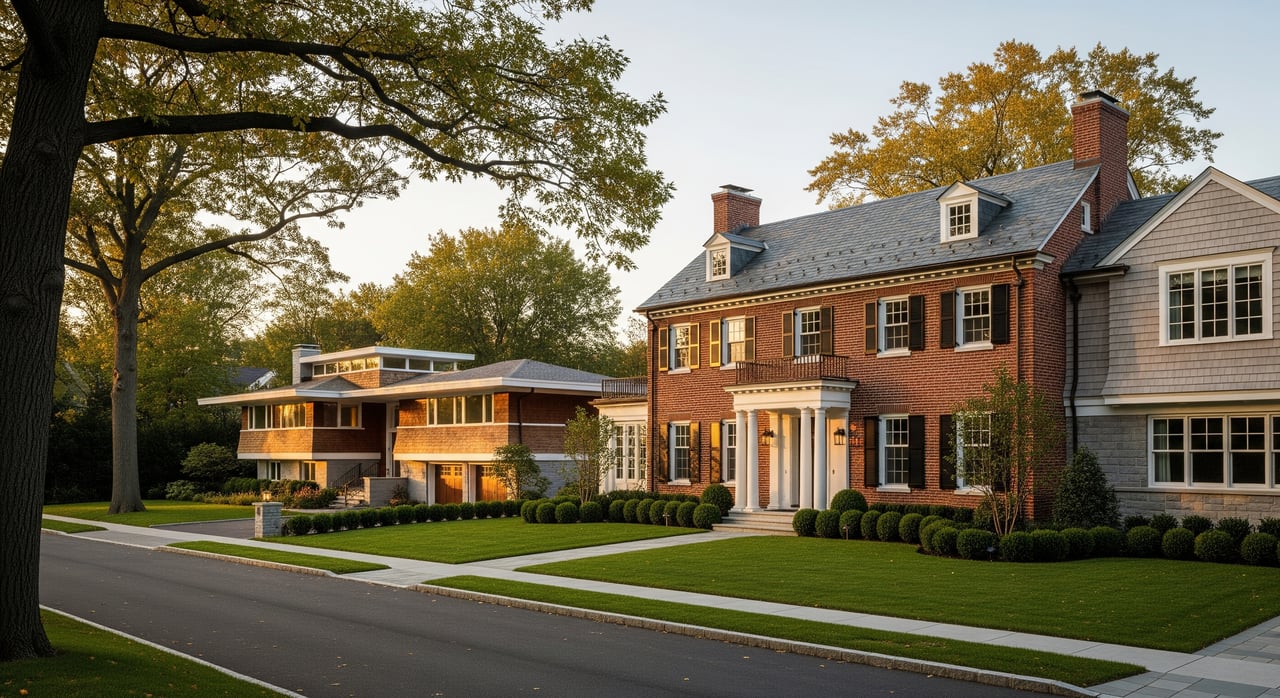
Thinking about a home within a short walk to the Morris Plains train? You might be torn between a Colonial, a Ranch, or a Split-level and wondering which one fits your life, budget, and renovation plans. You want a layout that works now and a path to update smartly over time. This guide breaks down what you will actually see near downtown and the station, how each style lives, what remodels are realistic, and which permits and costs to expect. Let’s dive in.
Quick style snapshot
Colonial cues and layout
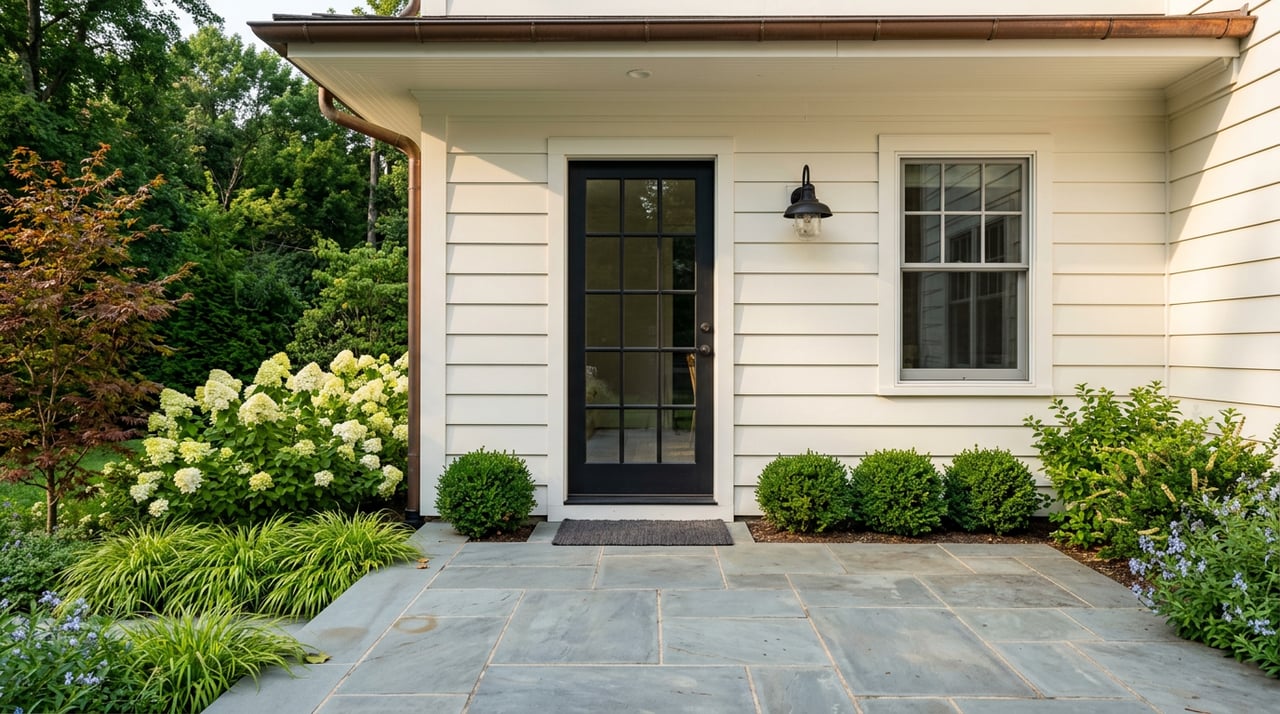
A Colonial in Morris Plains often shows a symmetrical façade, a centered front door, and double-hung windows. Inside, you typically get two full stories with bedrooms upstairs and main living spaces downstairs. These homes adapt well to classic updates, like kitchen reconfigurations or a rear addition. Older Colonials can have dated systems or smaller, closed-off rooms, so factor that into your plans.
Ranch basics and flow
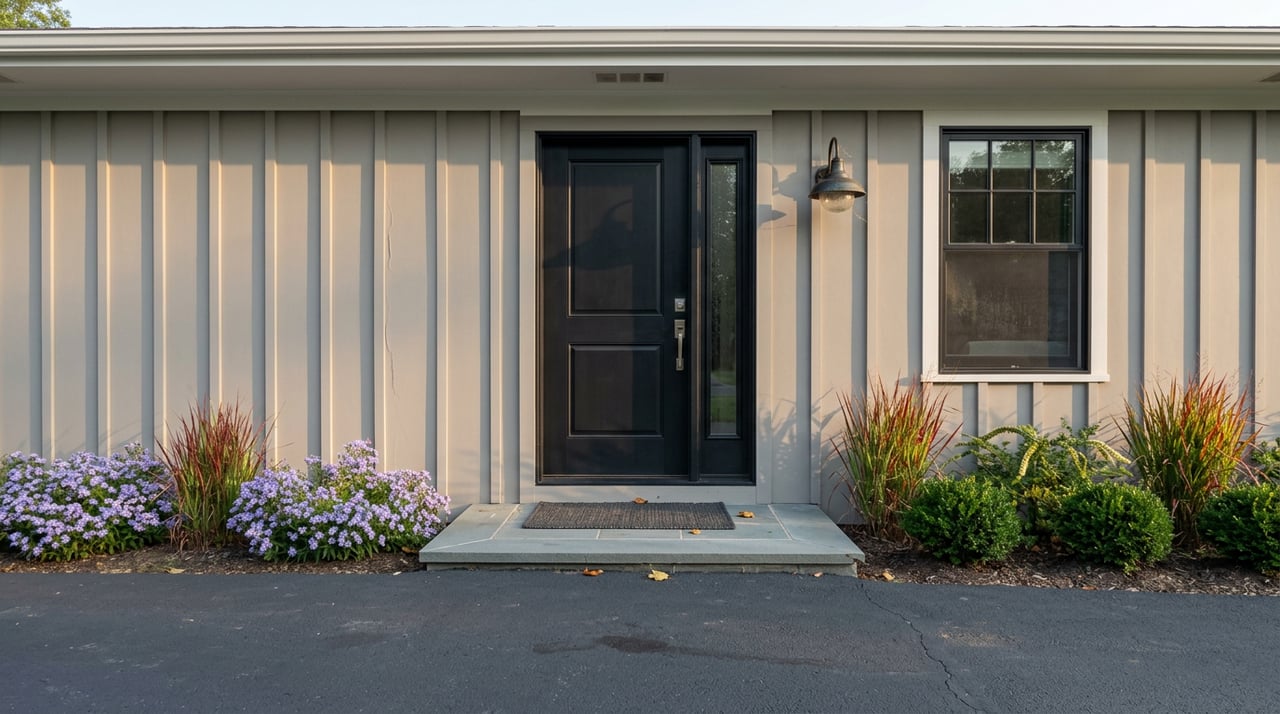
Ranches are single-story with a low roofline and a wide footprint, often with an attached garage and a large picture window. All living and sleeping spaces sit on one level, which makes daily life simple and accessibility upgrades straightforward. Mid-century ranches can have dated mechanicals, and smaller lots near downtown can limit horizontal additions. If you value one-level living, a Ranch is a strong contender.
Split-level features
Split-levels were popular in the 1950s to 1970s and feature short runs of stairs between staggered floors. You usually enter onto a landing with half-stairs up to the main living level and half-stairs down to a lower family or utility level. This layout separates zones efficiently and often gives you a lower level that is easy to finish for bonus space. If you want a full open-plan main level, expect more complex structural work.
What you will see near the train
Properties near the Morris Plains NJ Transit station and downtown often sit on smaller lots. You will see mid-century bungalows and ranches, plus modest Colonials, with walkability and commute convenience outweighing lot size for many buyers. When comparing listings, measure actual walk times and consider evening train frequency and parking if you plan to drive to the station.
What fits your lifestyle
Commute and walkability
If you want a quick walk to the station, focus on homes within about 10 to 15 minutes on foot. Expect more mid-century floor plans and tighter lots the closer you get to downtown. If you want more yard or future addition space, you may need to widen your search radius.
Space and privacy needs
Colonials offer clear bedroom separation upstairs, which works well if you want privacy between sleeping and living areas. Ranches keep everything on one level, which can feel connected but less separated. Split-levels split the difference with distinct zones and a flexible lower level for a family room or office.
Accessibility priorities
If step-free living is a priority now or in the future, a Ranch is the easiest path. Wider doorways, no-step entries, and main-level baths are easier to implement on one level. Split-levels and Colonials can be adapted, but stairs are part of the core layout.
Renovation potential by style
Opening walls and layouts
- Colonial: Opening a center-hall main level to create a great room often requires engineered beams and careful planning. It is doable with experienced pros.
- Ranch: Typically the most flexible interior. Wall removals and reconfigurations are common, but confirm which walls are load-bearing.
- Split-level: True open-plan conversions are harder because of staggered levels and load paths. Plan for more engineering and potential cost.
Kitchens and baths
- Cosmetic kitchen refreshes can update a space without moving walls or plumbing. Expect a modest to mid-level budget depending on finishes.
- Full kitchen remodels that change layout sit in the mid-to-high five-figure range for many projects, and high-end scopes can reach low six-figures.
- Standard full bath remodels often land in the low five-figure range, with powder rooms costing less. Reconfiguring baths increases cost.
Basements and lower levels
- Colonials and ranches with full-height basements are strong candidates for finishing. Check for moisture, ceiling height, and egress if adding bedrooms.
- Split-level lower levels are often semi-finished and can be upgraded cost-effectively into a family room, office, or flexible guest space.
Additions and dormers
- Colonial: Rear additions and bump-outs are common and can balance the traditional façade with modern living space.
- Ranch: Second-story additions and rear expansions are feasible, but you will need to check foundation capacity and local height limits.
- Split-level: Raising rooflines or large additions is typically more complex and costly. Consider whether interior improvements meet your goals first.
Permits and rules in New Jersey
When permits are required
New Jersey follows the Uniform Construction Code for building standards. Structural additions, substantial interior alterations, and new HVAC, electrical, or plumbing usually require permits and inspections through the local building department. Plan for permit review and inspections in your timeline.
Zoning and local checks
Morris Plains enforces local zoning limits for setbacks, lot coverage, height, and parking. Before you commit to a major project, confirm what your lot allows and whether you need a variance. This is especially important near downtown where lots are smaller and coverage limits are tighter.
Older home considerations
For homes built before 1978, assume lead-based paint may be present if you plan to disturb painted surfaces. Asbestos-containing materials can also show up in older homes. Safe-work practices and licensed pros may be required if you encounter these materials.
Budget planning that works
Cost drivers to watch
- Structural work like removing load-bearing walls or adding a second floor
- Hazardous materials such as lead paint or asbestos that need abatement
- Local labor rates and contractor availability
- Permit fees, inspections, and any zoning reviews that add time and cost
Typical project ranges
- Cosmetic kitchen refresh: typically in the tens of thousands, depending on scope and finishes
- Full kitchen remodel: mid-to-high five-figure range, with high-end projects reaching low six-figures
- Full bath remodel: usually in the low five-figure range, higher if fully reconfiguring
- Basement finishing: often cost-effective per square foot, but egress and ventilation rules add cost for habitable rooms
- Additions: generally higher per square foot than interior work due to structure and exterior tie-ins
Timeline and logistics
Build in a contingency of 10 to 20 percent for older homes where hidden conditions are common. Get multiple bids with written scopes so you can compare apples to apples. If you are aiming to move quickly after closing, prioritize projects that impact daily life, like kitchens, baths, and essential systems.
Buyer checklist for Morris Plains
- Does the layout match your lifestyle today and 5 years from now?
- How far is the walk to the Morris Plains station and downtown amenities?
- What is the age and condition of the roof, HVAC, electrical panel, and plumbing?
- Is the basement full-height and dry enough to finish? Will you need egress for bedrooms?
- Are there load-bearing walls that limit an open-plan conversion?
- Could lead paint or asbestos be present if the home predates 1978?
- What are the lot coverage, setback, and height rules for your address?
- Do you have at least two contractor bids and a realistic contingency?
How we can help
You do not have to navigate layout trade-offs, renovation plans, and local rules alone. With deep local knowledge of Morris Plains housing stock and a concierge approach to buyer representation, we help you compare styles, vet renovation paths, and connect with trusted inspectors and licensed contractors. If walkability to the train is key, we will target listings that balance commute, budget, and renovation potential.
Ready to take the next step in Morris Plains? Connect with Kimberly Brechka for tailored guidance, local insights, and a smooth path from first tour to keys.
FAQs
Which style is easiest to make accessible in Morris Plains?
- A Ranch is typically the easiest because single-floor living simplifies no-step entries, wider doorways, and main-level bath updates.
How do open-plan conversions differ by style?
- Colonials often need engineered beams to open the main level, Ranches are usually the most flexible, and Split-levels are the most complex due to staggered floors.
What permits are needed for renovations in Morris Plains?
- Under New Jersey’s Uniform Construction Code, structural changes and new HVAC, electrical, or plumbing require permits and inspections through the borough.
What should I consider if I want to walk to the station?
- Aim for a 10 to 15 minute walk and expect smaller lots and more mid-century homes closer to downtown, which may trade yard size for commute convenience.
What are typical kitchen and bath remodel costs locally?
- Many full kitchen remodels fall in the mid-to-high five-figure range, with high-end scopes reaching low six-figures, while standard full baths are often low five-figure.
Where can I get reliable local renovation estimates?
- Request bids from licensed local contractors and compare with recent projects in Morris County, and ask your agent for vetted referrals and inspection guidance.