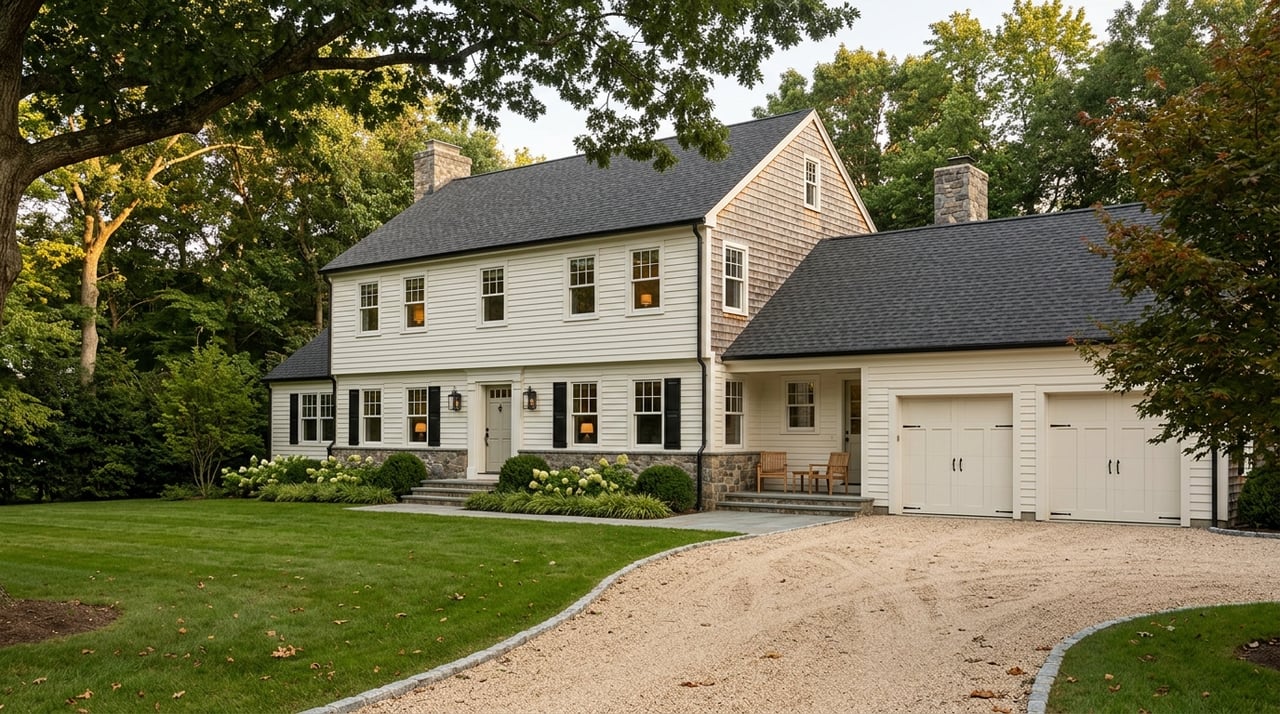
If your idea of home includes long driveways, open land, and a quieter pace without feeling cut off from Morris County and the New York metro area, Harding Township deserves a closer look. Buying here is different from buying in a typical suburban neighborhood, and that is exactly the appeal for many buyers. When you understand how Harding is planned, what kinds of properties you will find, and what due diligence matters most, you can shop with more confidence. Let’s dive in.
Why Harding Feels Like a True Retreat
Harding Township stands out because its rural character is not accidental. The township covers 13,162 acres, or 20.56 square miles, and more than 6,200 acres of preserved open space make up almost half of the community, according to township and Highlands planning documents.
That preserved landscape shapes daily life in a real way. Great Swamp National Wildlife Refuge and the Jockey Hollow area of Morristown National Historical Park are major parts of the local setting, which means open land is central to Harding’s identity rather than an occasional bonus.
For you as a buyer, that often translates to privacy, scenic surroundings, and a sense of separation from denser suburban development. It also means Harding tends to appeal to people who want a home that feels more like a country retreat than a conventional commuter suburb.
What Homes and Lots Look Like
One of the biggest differences in Harding is lot size. The township’s residential zoning includes a large-lot RR/R-1 category built around 5-acre lots, with some lot-averaged subdivisions allowing 3-acre minimum lots.
In practical terms, many homes sit on more generous parcels than you would expect in other Morris County towns. The zoning also calls for wide frontage and large setbacks, so the overall streetscape often feels more open and less crowded.
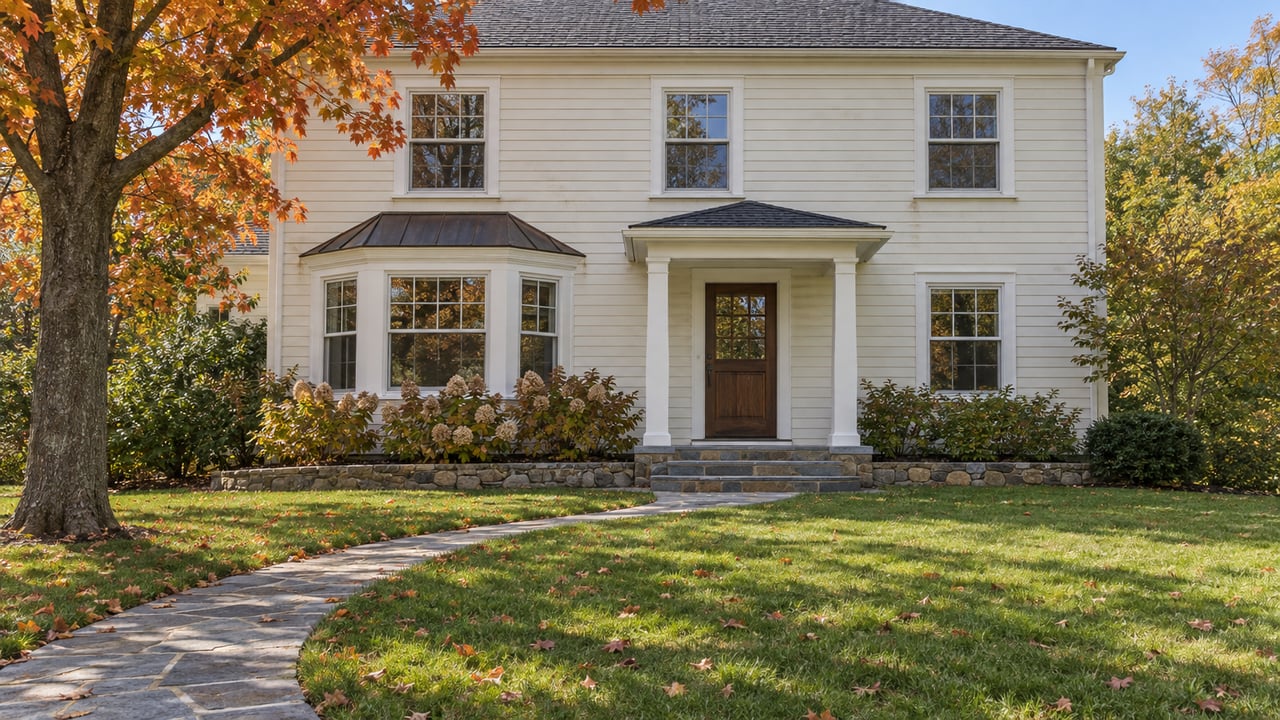
The housing stock adds to that character. Harding’s historic planning documents describe a mix of farmhouses, working farms, compact village properties, large estates, manor houses, and older homes built before modern zoning standards.
You may also find early-20th-century Colonial Revival homes and properties where older farmstead buildings became part of larger estate compounds. That variety gives Harding a layered, established look that many buyers find hard to replicate elsewhere.
Expect Rural Site Features
If you are shopping for a country retreat in Harding, the house is only part of the story. The land itself often comes with features that are common here but less familiar in more typical suburban markets.
For example, long driveways, flag lots, and shared-access arrangements are part of Harding’s planning approach in rural residential areas. The township specifically uses these patterns to reduce the visibility of new development, limit street impact, and help protect trees and open views.
That means your home search may include properties set far back from the road or homes that share portions of access with neighboring lots. For many buyers, that is part of the charm. It can also affect maintenance, snow removal, and future improvement plans, so it is worth reviewing carefully during due diligence.
Utilities Matter More Here
In much of Harding, private utilities are part of everyday ownership. The township master plan says most R-1 homes are served by individual septic and potable water systems, sewer infrastructure is negligible, and village areas do not have public water or sewer infrastructure.
The township also does not plan to expand water and sewer service in the R-1 zone. If you are considering acreage, that makes well, septic, drainage, and conservation constraints some of the most important items to understand before you buy.
This does not need to be intimidating, but it does mean you should approach the process with eyes open. A beautiful property may also require a closer look at site conditions, system locations, maintenance history, and how the land can be used over time.
Think Beyond the House
A common mistake buyers make in retreat-style markets is focusing only on finishes, room count, and curb appeal. In Harding, it is just as important to think about how you want to live on the property.
Ask yourself practical questions early in the process, such as:
- How much land do you want to maintain?
- Are you comfortable with a long or shared driveway?
- Do you want open fields, wooded land, or a more village-style setting?
- Will you want to add a pool, barn, shed, fence, generator, or solar panels later?
- Are you prepared for the responsibilities that come with well and septic systems?
Those answers can help narrow your search faster. They can also save you from falling in love with a property that does not fit your long-term goals.
Understand Harding’s Review Process
Harding has a strong permit and zoning review culture, which is important to know before you buy. The township zoning department states that zoning approval is required before permits for many common projects, including additions, barns, fences, generators, pools, sheds, solar panels, and other site improvements.
That matters because many buyers picture future upgrades as part of the purchase decision. If your dream property includes plans for expansion or outdoor improvements, it is smart to evaluate those possibilities before closing, not after.
In a town like Harding, buying the property is one step. Understanding what you may be allowed to do with it later is just as important.
Everyday Life in Harding
Harding’s rural feel comes with trade-offs that many buyers gladly accept. Commercial development is limited, and the township master plan says most of it is concentrated in New Vernon and along the Route 202 corridor.
New Vernon Village serves as the township’s community focal point. The master plan describes it as home to small-scale commercial uses, banks, professional offices, the post office, Bayne Park, the municipal building, houses of worship, and other civic institutions.
For you, that usually means daily errands are more car-dependent than they would be in a downtown-oriented suburb. If you value privacy and open space more than walkable retail, Harding may feel like a strong match.
Commuting From a Country Setting
Harding can work well for commuters, but it functions more as a drive-to-the-station town than a walk-to-rail suburb. Nearby NJ Transit options include the Morris & Essex Line stations at Morristown, Convent, and Madison.
Those stations connect to service toward Hoboken and New York Penn Station. The key takeaway is that Harding offers access to regional commuting patterns while keeping a distinctly rural residential environment.
If you are relocating from a denser area, this is an important mindset shift. You gain space, privacy, and preserved surroundings, but you will likely rely more on your car for trains, errands, and everyday routines.
Local Recreation Is a Major Advantage
One of Harding’s strongest lifestyle benefits is how close you are to outdoor recreation. Great Swamp National Wildlife Refuge, Jockey Hollow, Loantaka Brook Reservation, and Lewis Morris County Park all help define the area.
Loantaka Brook Reservation spans more than 850 acres and includes trails for cycling, jogging, hiking, horseback riding, skating, and cross-country skiing. Lewis Morris County Park offers 2,213 acres and 25 miles of trails, along with swimming, boating, and equestrian use.
If your version of a retreat includes time outside, Harding delivers in a meaningful way. The access to preserved land and recreation is not just occasional weekend entertainment. It is part of the everyday lifestyle that draws many buyers here.
How Harding Compares Nearby
If you are deciding between Harding and other Morris County towns, it helps to understand what makes Harding distinct. Compared with Morristown and Madison, Harding is dramatically less compact.
Census data puts Morristown at 20,180 residents on 2.91 square miles and Madison at 16,937 residents on 4.31 square miles. Harding’s official Highlands profile shows 20.56 square miles of land, which helps explain why it feels so much more open.
Mendham Township is a closer comparison for buyers who want larger lots and a lower-density setting. Even so, Harding’s own planning documents are especially clear about preserving rural streetscapes, open fields, mature trees, and historic districts.
If your priority is a walkable downtown, another town may fit better. If your priority is acreage, privacy, and a heritage landscape within reach of the metro region, Harding is one of Morris County’s clearest country-retreat options.
A Smart Buying Checklist for Harding
Before you move forward on a property in Harding, keep your focus on both lifestyle and land use. A thoughtful buying strategy here usually includes:
- Reviewing lot size, access, and setback conditions
- Understanding whether the property uses private well and septic systems
- Looking closely at drainage, topography, and conservation factors
- Asking about maintenance needs for long driveways or shared access
- Confirming what future improvements may require zoning approval
- Comparing the property’s setting with your commute and daily errand patterns
A country retreat should feel peaceful, but the buying process should still be practical. The right guidance can help you balance vision with the realities of ownership in a rural residential market.
Buying in Harding is often about more than finding a beautiful house. It is about choosing a setting, a pace, and a property that supports the way you want to live now and in the years ahead. If you are considering Harding Township and want thoughtful local guidance, Kimberly Brechka can help you navigate the search with clarity and confidence.
FAQs
What makes Harding Township different from other Morris County towns for buyers?
- Harding Township is known for its low-density planning, large lots, preserved open space, and rural character, making it a stronger fit for buyers seeking privacy and a country-retreat setting.
What types of homes can you expect when buying in Harding, NJ?
- Buyers in Harding can find a mix of farmhouses, estate properties, manor-style homes, village properties, and older homes from a range of architectural periods.
What utilities should buyers expect in Harding Township properties?
- Many Harding properties rely on private well and septic systems, since public water and sewer infrastructure is limited and not planned for expansion in much of the township.
What should you know about property improvements in Harding, NJ?
- The township requires zoning approval before permits for many common projects, including additions, barns, fences, generators, pools, sheds, and solar panels.
How do most residents commute from Harding Township?
- Harding typically functions as a drive-to-the-station community, with nearby NJ Transit Morris & Essex Line access at Morristown, Convent, and Madison.
What is everyday shopping and dining like in Harding Township?
- Commercial activity in Harding is limited, with New Vernon Village and the Route 202 corridor serving as the main areas for small-scale local services and errands.
What outdoor recreation options are near Harding, NJ?
- Buyers in Harding have access to nearby recreation areas including Great Swamp National Wildlife Refuge, Jockey Hollow, Loantaka Brook Reservation, and Lewis Morris County Park.